Your baseline can get elevated
After months or years of stress, pain, fear, or avoidance, the nervous system can sit closer to alarm. Smaller sensations feel bigger.
A live 90-minute workshop
Learn how one scary sensation turns into adrenaline, checking, avoidance, and fear of the next attack. And what to practice instead of fighting your body.
After the first bad one, you start watching for the next. You check your body. You avoid certain places. You make sure you can leave.
Eventually, the fear of the next attack takes up more of your life than the attacks themselves.
Next live workshop: · 11 AM Central / 12 PM Eastern
Free live workshop. Register with your email and I will send the workshop link and reminders.
Live online · Replay included · Guided practice · Cameras can stay off
01 · Who this is for
These are normal responses to a frightening experience.
They are also what keeps the loop running.
That pattern is what the workshop is about.
02 · The short version
A minute and a half, from a longer talk. How one body sensation turns into fear, adrenaline, more symptoms, and more checking.
The workshop goes much deeper into the same pattern, with practice and time for questions.
03 · The loop
Panic often sticks around because the body learns to treat normal sensations as threat signs. Here is one trip around the loop.
A racing heart, a dizzy spell, a tight chest, a wave of unreality. Sometimes it seems to come from nowhere.
“What if something is wrong?” The brain predicts danger, the body adds adrenaline, and every symptom gets louder.
You leave, sit down, check your pulse, call someone, or avoid the place entirely.
The fear drops. Underneath, the brain can file the moment as a danger you escaped. The alarm becomes more sensitive next time.
You scan your body for the first sign of the next one. And scanning finds things. A skipped beat, a light head. Step one begins again.
You may not be able to stop the first racing heart, dizzy spell, or unreal feeling from showing up. But you can change what happens after it shows up: less checking, less bracing, less automatic escape, and more time for your body to learn, “This is uncomfortable, but I am not in danger.”
After months or years of stress, pain, fear, or avoidance, the nervous system can sit closer to alarm. Smaller sensations feel bigger.
When you keep checking your heart, breath, vision, or sense of reality, you notice more tiny changes. Then those changes start to feel important.
If panic drops after you leave, check, or get reassurance, the brain may learn, “Good thing we escaped.” That can make the next alarm come faster.
The body needs real experience that a wave can rise, peak, and pass without checking or running. That is different from telling yourself to calm down.
Ninety minutes, live online at 11 AM Central / 12 PM Eastern. Replay included if you cannot make it.
Free registration · Email reminders · Replay included
04 · The workshop
We slow the whole sequence down: sensation, scary meaning, adrenaline, checking or escape, short relief, and then more fear next time. Nothing you have to push yourself through before you are ready.
What adrenaline actually does to your heart, your breathing, and your vision. Why DP/DR shows up with high anxiety. Why the symptoms feel so much more dangerous than they are.
We look at the places where fear, body scanning, reassurance, escape, and avoidance keep teaching the nervous system that symptoms are dangerous.
A guided way to meet a wave without bracing, analyzing, or trying to force it away. We do it together, live. No meditation experience needed.
What to do in the first minute of a wave: name what is happening, drop some of the checking, soften the bracing, and let the body come down without proving anything.
One workshop will not erase panic, and no honest person promises that. What I can promise is that you will leave knowing what your body is doing and exactly what to practice first.
05 · The shift
Most people are not stuck because they are weak or because they have not found the perfect thought to think. They are stuck because the whole system has been practicing one strategy: resist, monitor, control, escape.
06 · About Enis
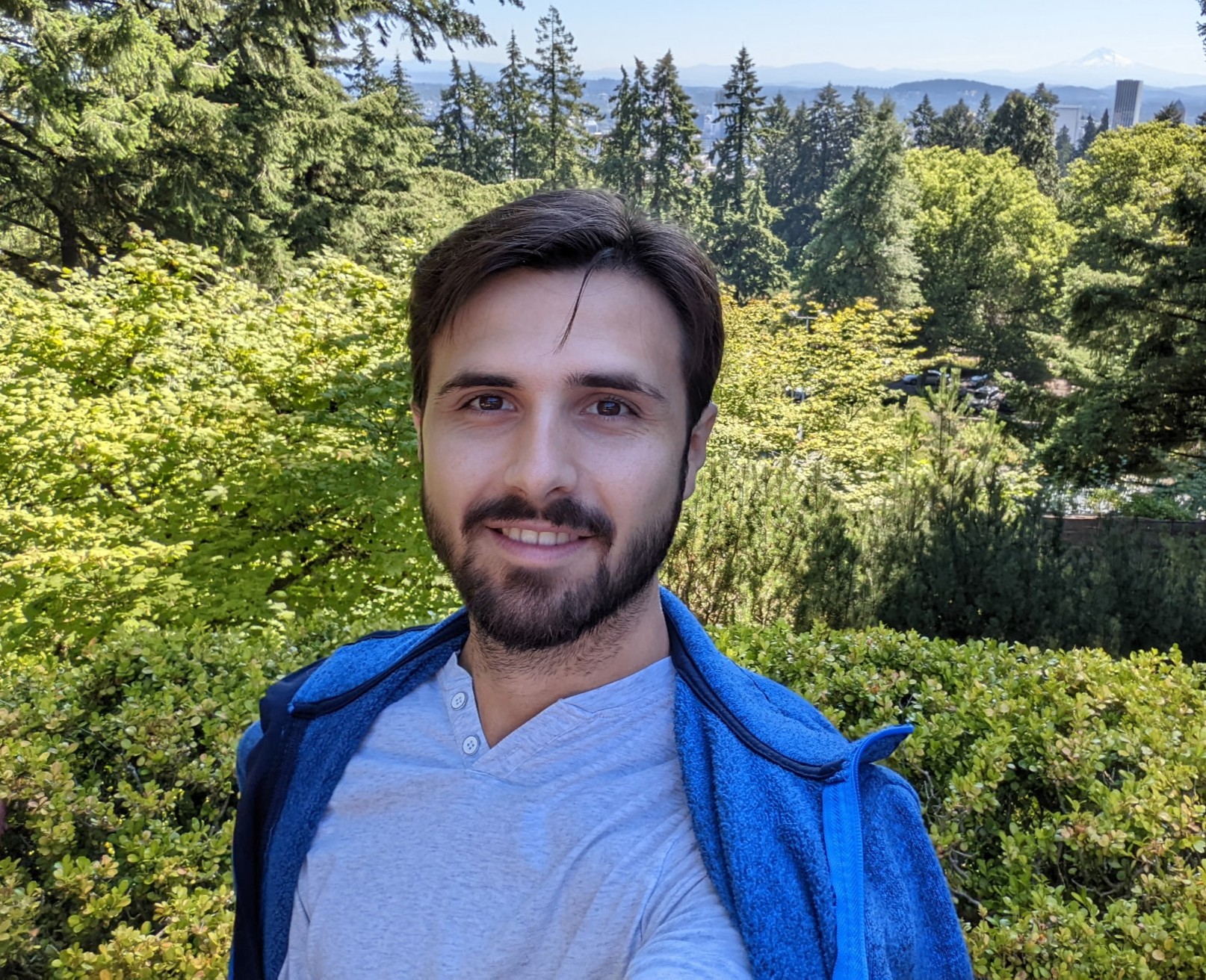
My name is Enis Cirak. I had panic attacks, depersonalization, and bad anxiety for about four or five years.
It changed how I lived. I avoided social situations and meetings. I got paranoid about trying new foods. I was overstimulated most of the time and did not feel like myself.
I know what it is like to plan a day around whether your body will cooperate. I know what it is like to sit in a room full of people and feel like the only one who cannot just be there.
Turning toward the feelings is what finally worked. The sensations still came at first, but I stopped treating every sensation like a problem I had to solve immediately.
That is different from trying to think your way out of panic. It is learning how to feel what is happening in the body without adding the second layer: “Oh no, this means I am not safe.”
Getting out took years. I studied everything I could find on panic and the nervous system, and I tried it all on myself first. Now I coach people through panic, DP/DR, and avoidance one-on-one.
The loop looks almost identical from person to person. Once you have lived it yourself and watched other people walk out of it, the pattern stops being a mystery.
Doctors were important. They ruled out the dangerous explanations. But ruling out danger did not teach me how to get out of the loop. That second part is what I help people with.
We go at your pace. No rushing and no pushing.
Influences: Internal Family Systems, Michael Singer, Eckhart Tolle, Adyashanti, David Burns.
07 · Client notes
These are public excerpts from Inner Solutions Trustpilot reviews. They are not promises or medical outcomes, just people describing their own experience.
“The very first call, he gave me advice and some things to try so I can sleep better that night. He literally called to check on me the next morning and I had slept 9 hours straight!”
Stephanie S., Trustpilot review
“Enis, had made such a difference in my life. After a miscarriage and going through a really bad anxiety phase and struggling with dark intrusive thoughts and panic attacks. He did not just give me something to make me feel calm for a hour and then spiral, he gave me tools to use constantly.”
Kiara Z., Trustpilot review
“The progress I’ve made since starting with Enis has been remarkable. I’ve not only learned how to manage my anxiety but also to understand its triggers and preemptively work on them.”
Ricardo C., Trustpilot review
Source: public reviews for Inner Solutions on Trustpilot.
08 · If you are skeptical
Maybe you have tried the breathing apps and the 2 AM videos. Maybe you have seen a doctor, or sat in an ER, and every test came back normal.
People keep telling you that you are okay. You do not feel okay. That gap is exhausting, and it can make you stop looking for help altogether.
A test can rule out danger. It cannot teach your body to stop sounding the alarm. Appointments are short and waitlists are long. And much of what is written about panic comes from people who have never felt it.
The free information out there is real, but it is scattered across a thousand videos, each with a different theory. This workshop is one concentrated explanation, in the right order, from someone who has lived it, with room to ask about your situation.
And the method aims at the part of the loop you can actually change: what you do after the first sensation shows up. Checking, bracing, escaping, avoiding. Those are habits. Habits can be unlearned, and unlearning them is how you get your life back.
You do not have to decide anything big from this page. Come to the free workshop, listen, ask questions if you want, and see if the way I explain this makes something click.
09 · FAQ
No. This is an educational coaching workshop. It is not therapy, diagnosis, treatment, or emergency care.
A single workshop will not erase panic, and I will not pretend otherwise. What it will do is show you how the loop works and give you something concrete to practice when the next wave starts. Everything you do after the first sensation either feeds the loop or weakens it. The workshop focuses there, because that is the piece you can actually control.
Yes. We cover depersonalization and derealization directly, including why fear and checking can make those feelings stick around.
Yes. We talk about how avoidance grows and how to start unwinding it gently. If your symptoms are severe or disabling, please also work with a licensed professional.
Much of the theory is free online. What the workshop adds is one focused walkthrough of the loop, a live practice, and time to ask questions so you can connect the ideas to your own experience.
You get a confirmation email with your workshop link. The replay arrives by email after the live call.
Yes. I am using the workshop as a low-pressure way for people to understand my work before deciding whether a free consult call or private coaching makes sense.
The replay is included. Register anyway and I will send it after the live call.
No. You can keep your camera off and stay quiet the whole time.
That is okay. You can step away and come back anytime, and the replay covers anything you miss.
No.
10 · Free registration
Come learn what to do when symptoms start, so the next wave can pass without turning into an emergency.
Enter your name and email. You will get the confirmation email, reminders, and the replay link after the live workshop.
I will send the access link, reminders, and replay to the email you use to register.
If you cannot attend live, register anyway and I will send the replay after the call.
After you register, check your inbox for the confirmation email. If it is not there, check spam or promotions.